Getting to know the types of nylon and their differences
The first man-made synthetic fiber is nylon. This fiber was first introduced in the 1930s as an early substitute for silk. Nylon is actually a polymer whose raw material is light polyethylene or LDPE. Nylon has special and unique features that make it have many applications. The following are the features of nylon:
- It is soft, flexible and elastic.
- In terms of appearance, it has good transparency and brightness.
- It is very light weight.
- It is washable.
- It is relatively resistant to heat, ultraviolet rays and chemicals.
- It is very resistant to chemicals and oils.
Polymer and plastic materials in terms of degradability
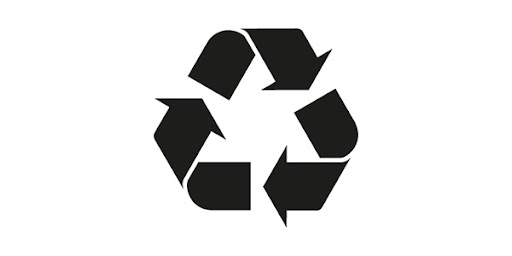
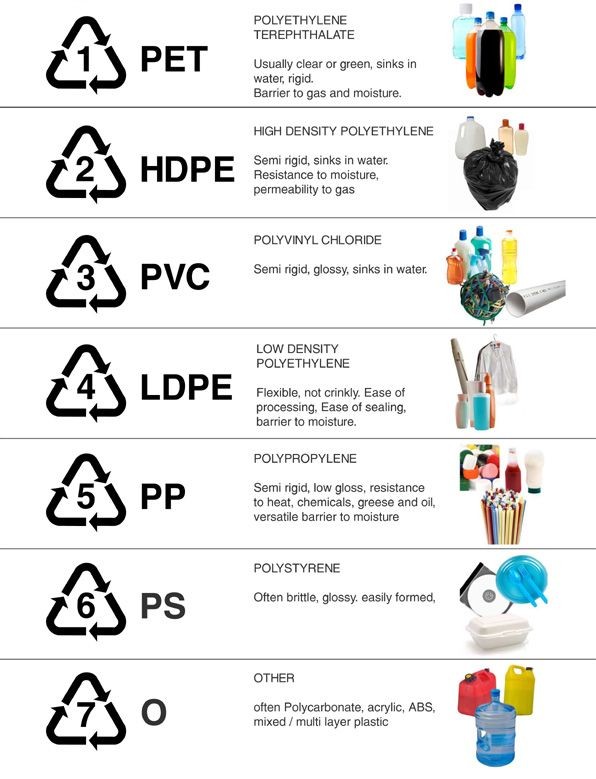
If you look at the bottom of plastic and nylon products, you will probably notice signs. Do you know what these abbreviations mean? Knowing these letters and symbols is very important because it helps us to keep the product in a better condition so that it is not dangerous for our health.In addition, by recognizing these signs, we can do better in their recycling and take a step in preserving the earth’s natural resources.Below each triangle there are letters that indicate the type of plastic used in the product. Also, inside each triangle you can see a number that varies from one to seven. These numbers are the codes assigned to them according to the recyclability of plastics and show their biodegradability.The lower this number is and the closer it is to one, the more recyclable the plastic is and the less dangerous it is for the environment. So by knowing these numbers, recyclable, low-risk and dangerous plastics can be identified.

No. 2 HDPE (dense polyethylene): It is a dull and rigid but safe plastic that is used in the manufacture of dishwashing liquid containers and other washing materials. This plastic is dry but forms quickly and is easily and quickly recycled.
No. 4 LDPE (Low Density Polyethylene): You deal with this type of plastic every day. The same nylon bags that you hold in your hand are made of low density polyethylene. They are among safe plastics, but usually they cannot be recycled. For this reason, shopping baskets and cloth bags are recommended to replace these bags.
So our products are degradable polyethylenes and have the lowest risk for the environment because ; plastic bags actually represent only a part of the use of nylon in our lives. Today, nylon is known as one of the most widely used synthetic fibers in the industry and is widely used in many jobs and industries. For example, nylon is used as a raw material in the production of clothing, fabric, yarn, toothbrushes, umbrellas, tableware and many other things.
Comparison of nylon with Nylex
- In the manufacture of nylon, light polyethylene is used, and in the manufacture of nylon, heavy polyethylene is used.
- Nylon products are softer than Nylexi products.
- While nylon products have a shiny appearance, nylon products are relatively matte.
- Nylex, unlike nylon, makes a sound and rustles when it is crumpled.
- Nylex can be produced in different thicknesses, but nylon cannot be produced in low thickness.
- Oil colors are used for nylon printing and PVC colors are used for nylon printing.
- Nylon has a tensile state, which means that if we tear it, the torn area will resist tearing in the form of stretching. But in Nylex, the place of tear continues and is transferred in the form of a line to the end.
- The resistance and strength of Nylex is much higher than Nylon, and for this reason, Nylex should be used to move heavy materials.